
Lowe Services
Design & Engineering
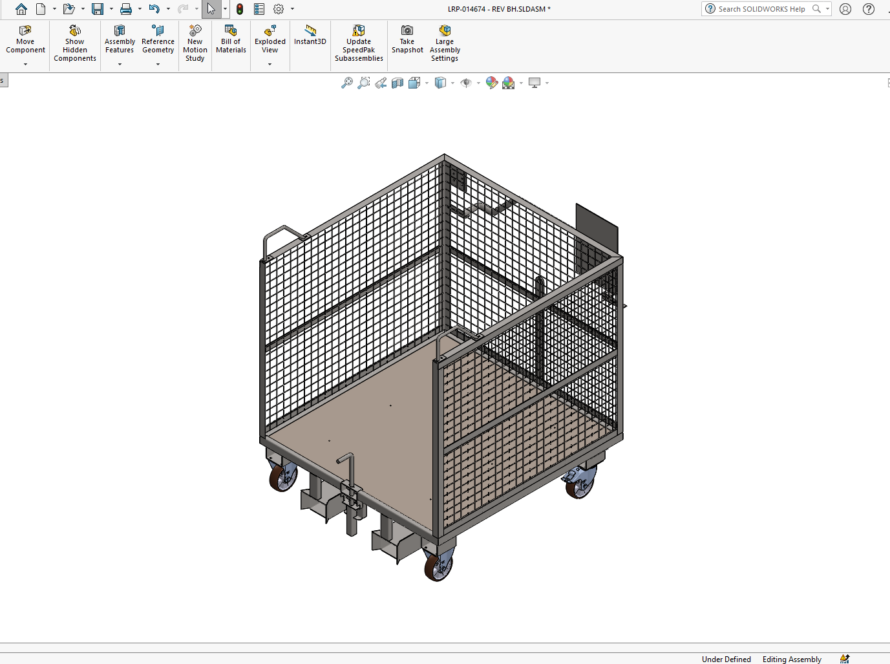
Optimising storage & logistics, engineered for nuclear 25+ years engineering steel stillages, cages and material-handling systems for automotive, nuclear, oil & gas, marine and heavy manufacturing.
Quoted by an engineer — usually the same working day
Free, no-obligation quote24-hour turnaroundLoad-tested · certification available
Inside the factory
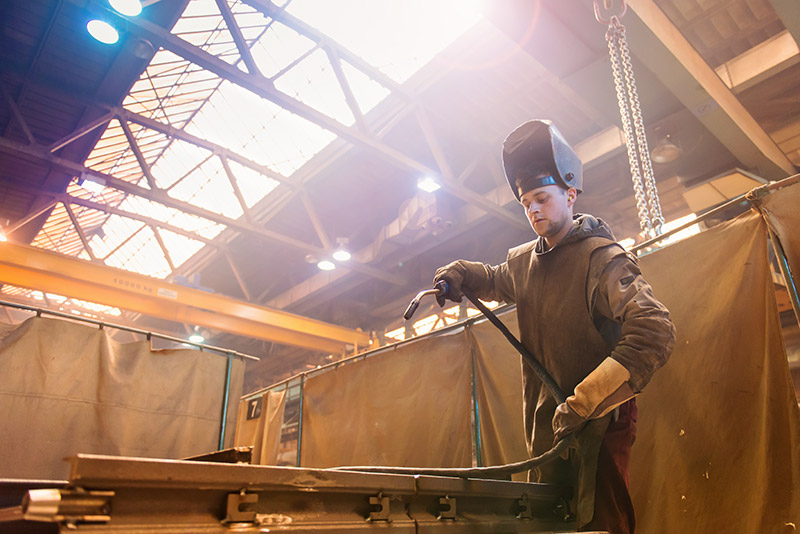
Cut, formed, welded, finished and load-tested under one roof in Uttoxeter — which is why we can change a design on Tuesday and build it on Thursday.


Trusted by leading UK manufacturers & OEMs









Every job is quoted by an engineer — a fixed, formal quote within 24 hours, no obligation. Prefer to talk it through? Call our engineers on 01889 563 244.
View our wide range of
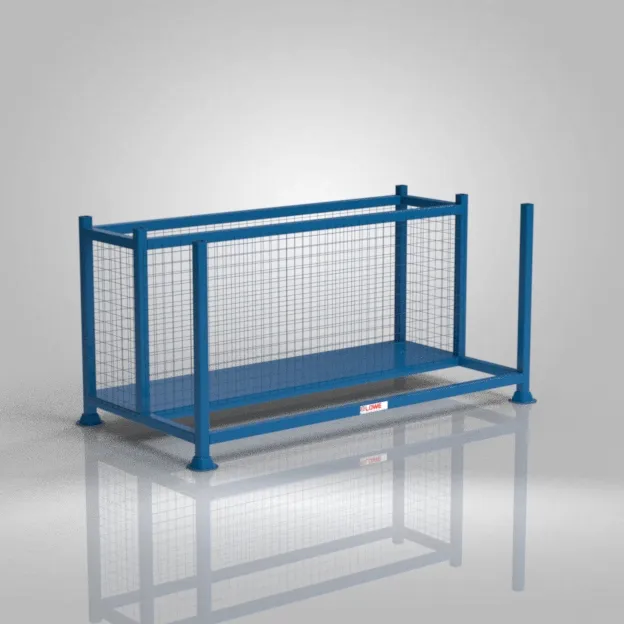
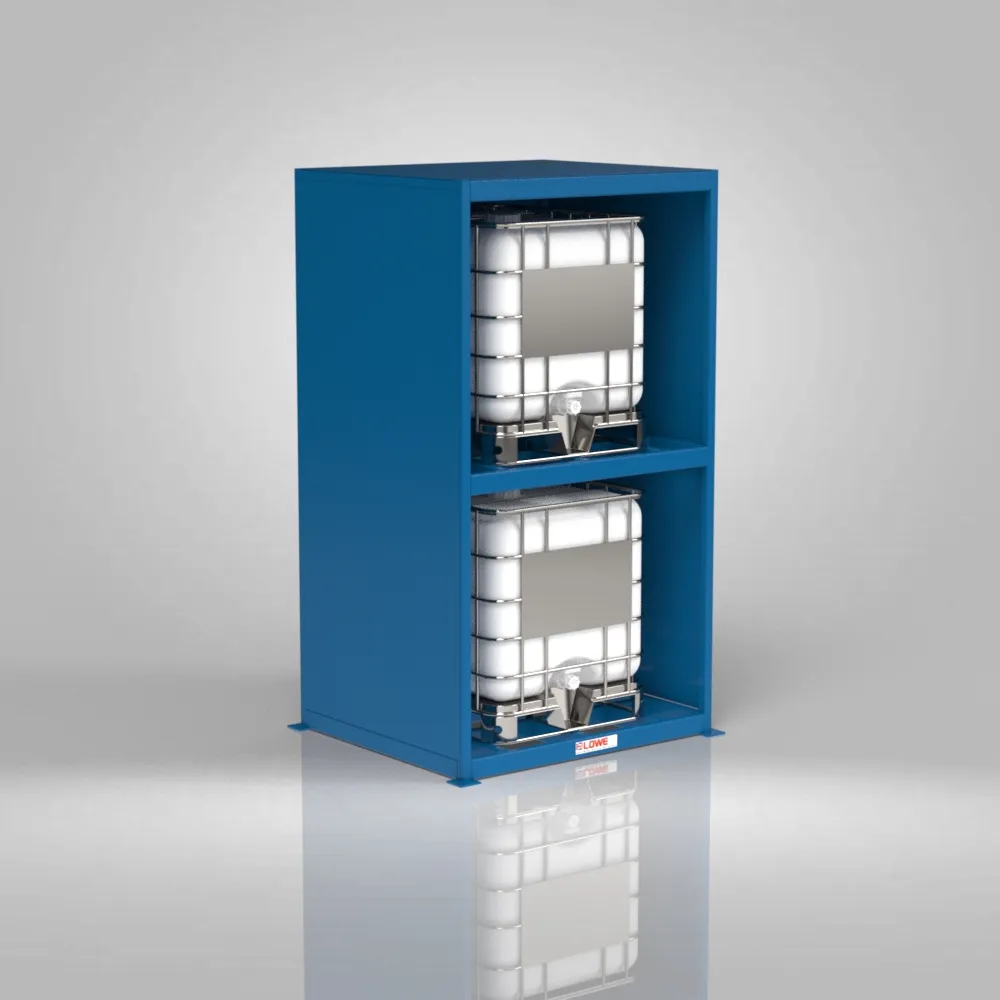
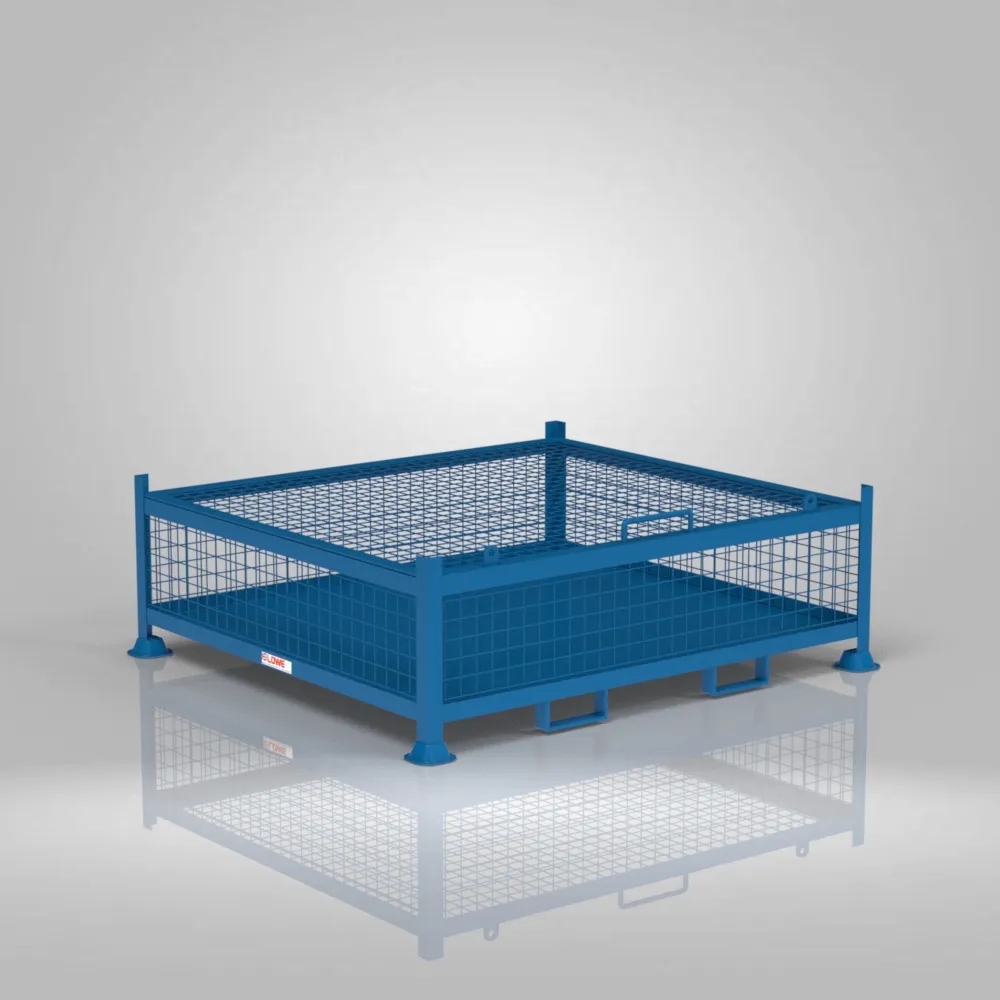
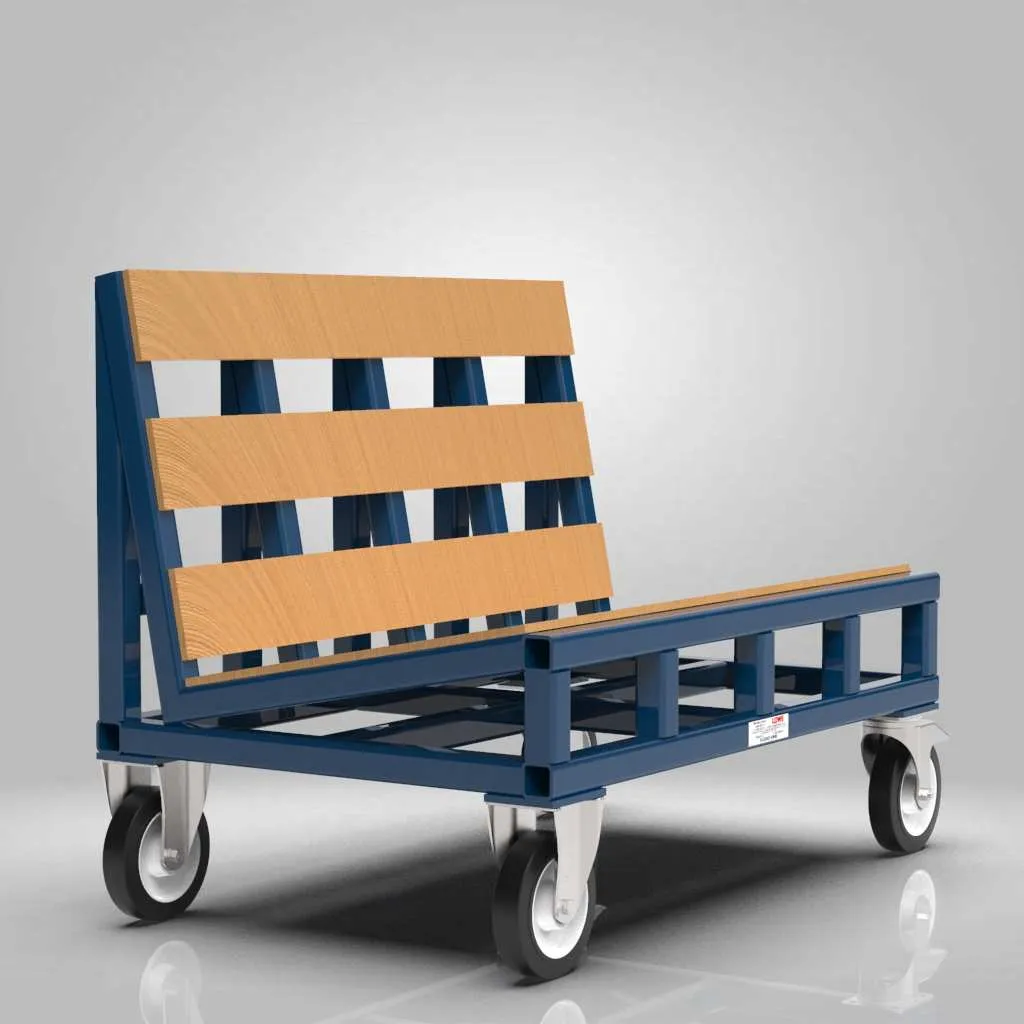
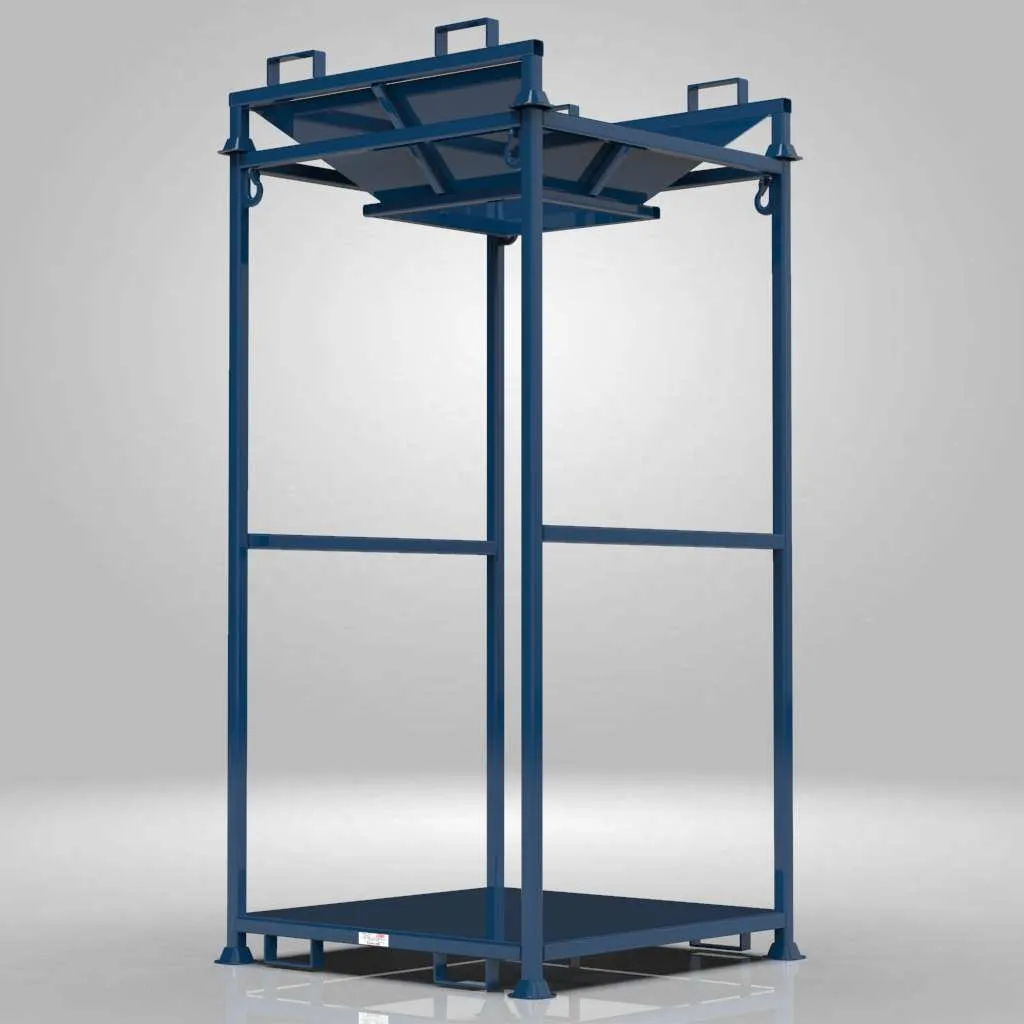
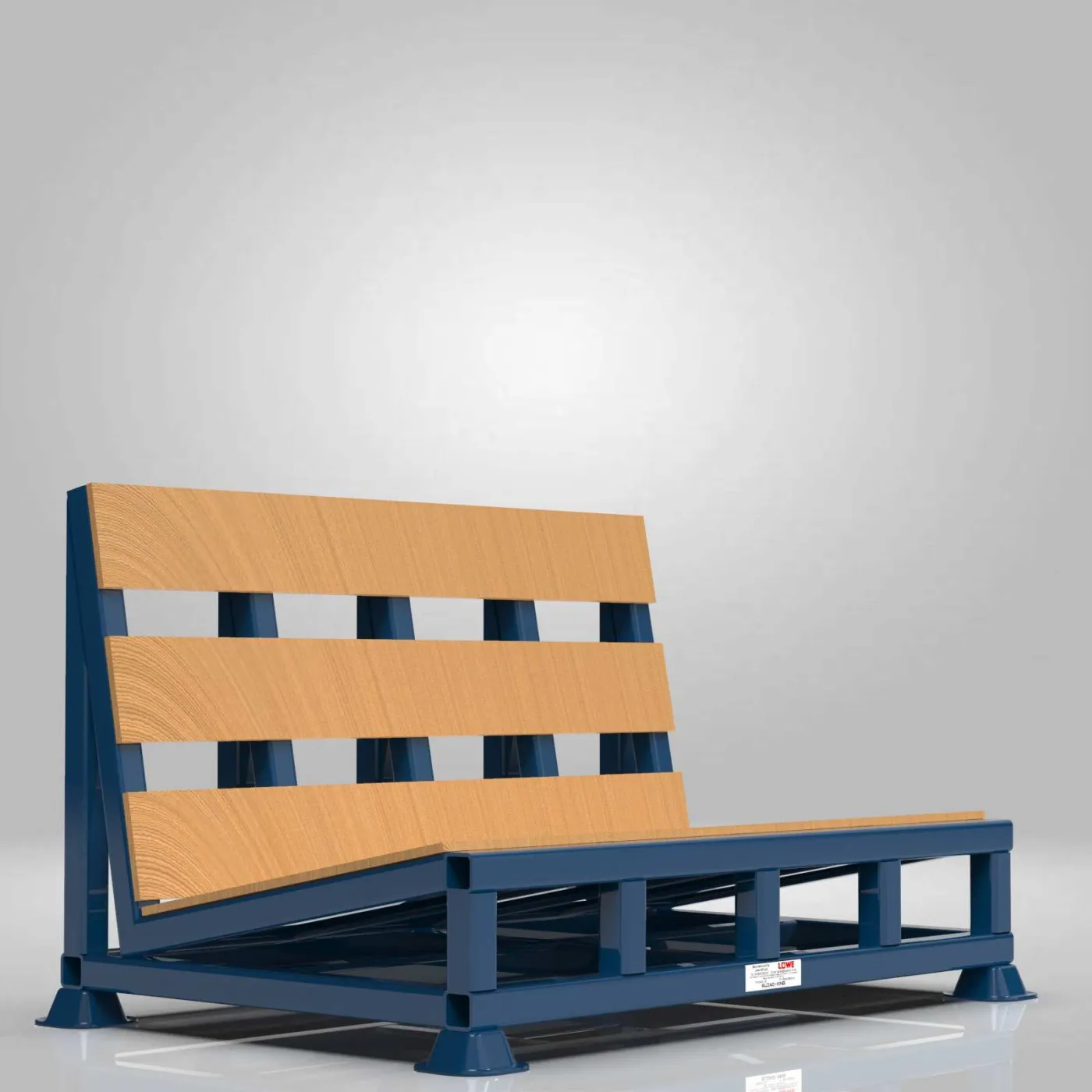
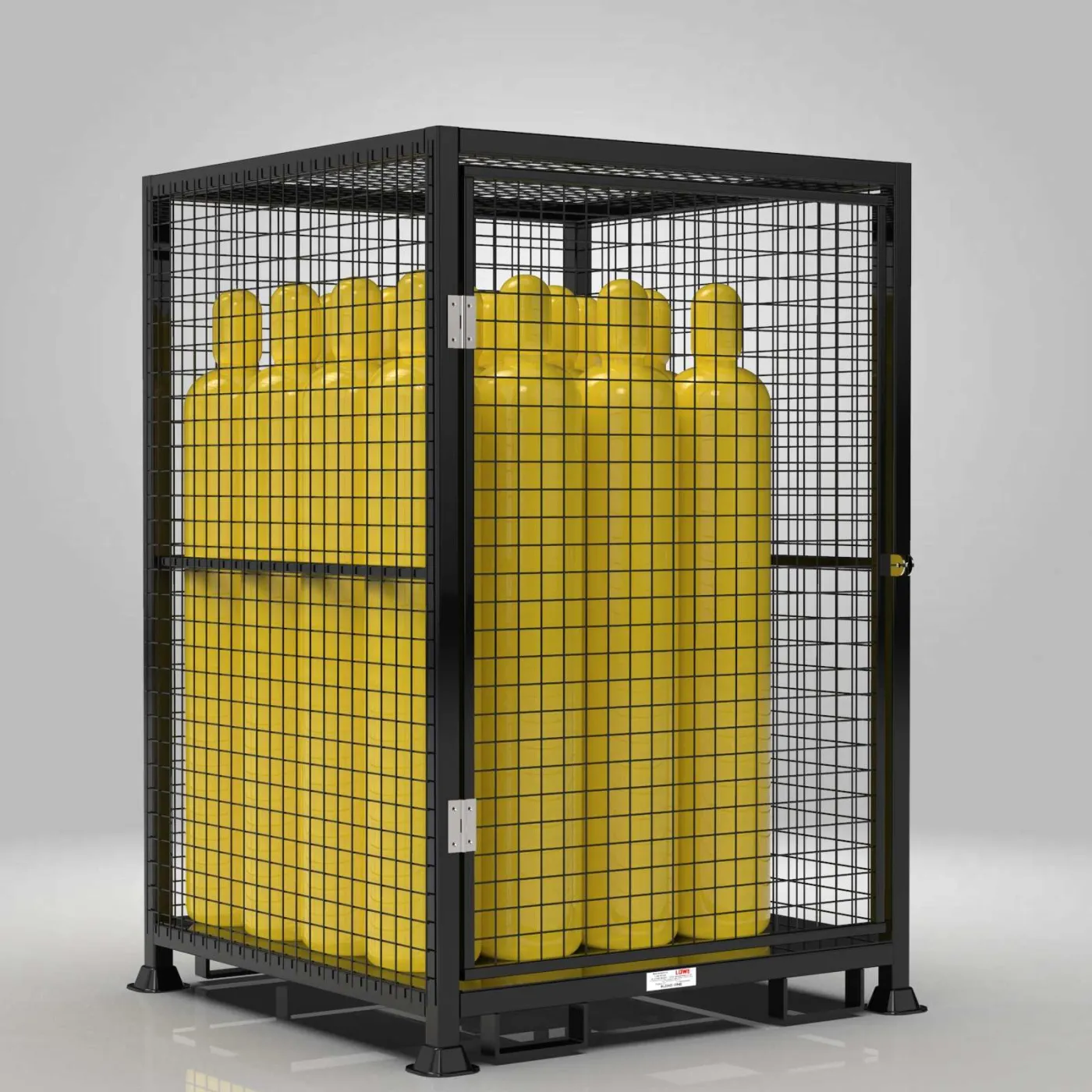
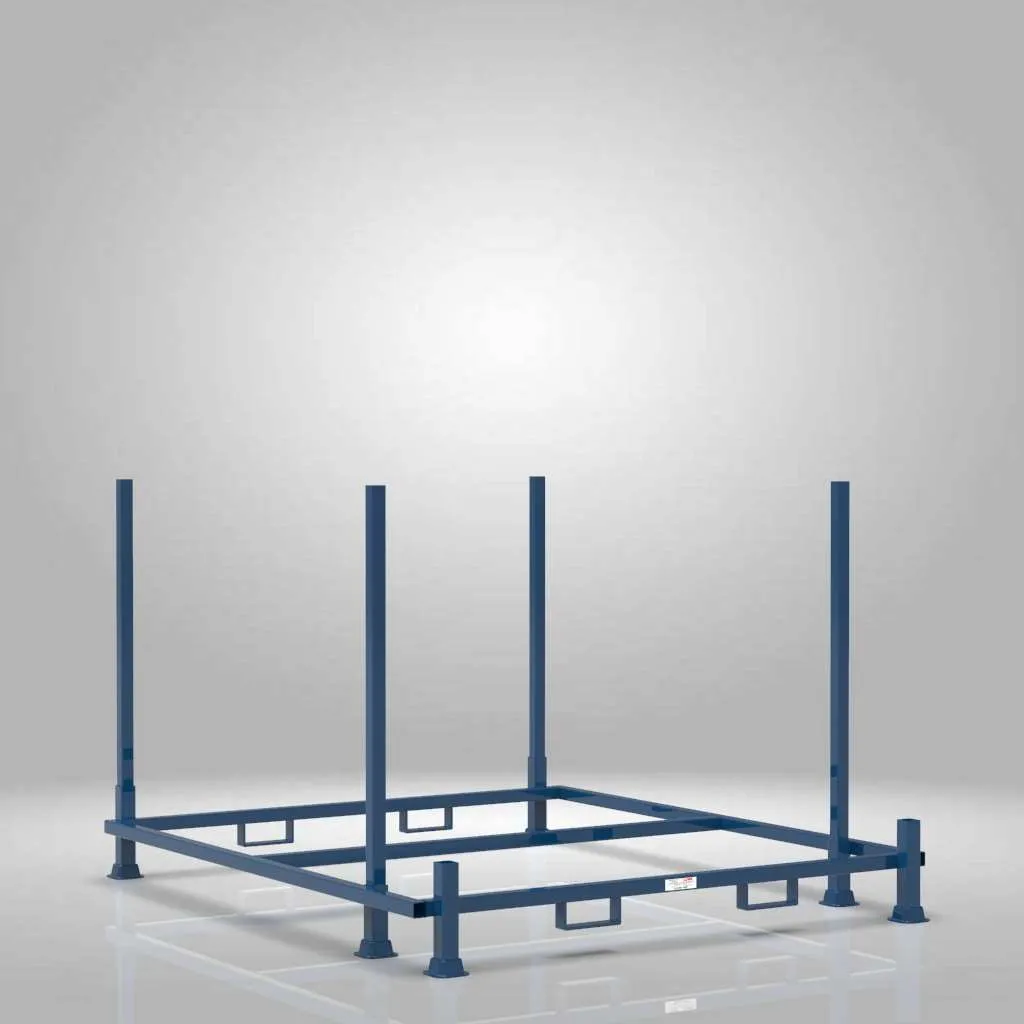
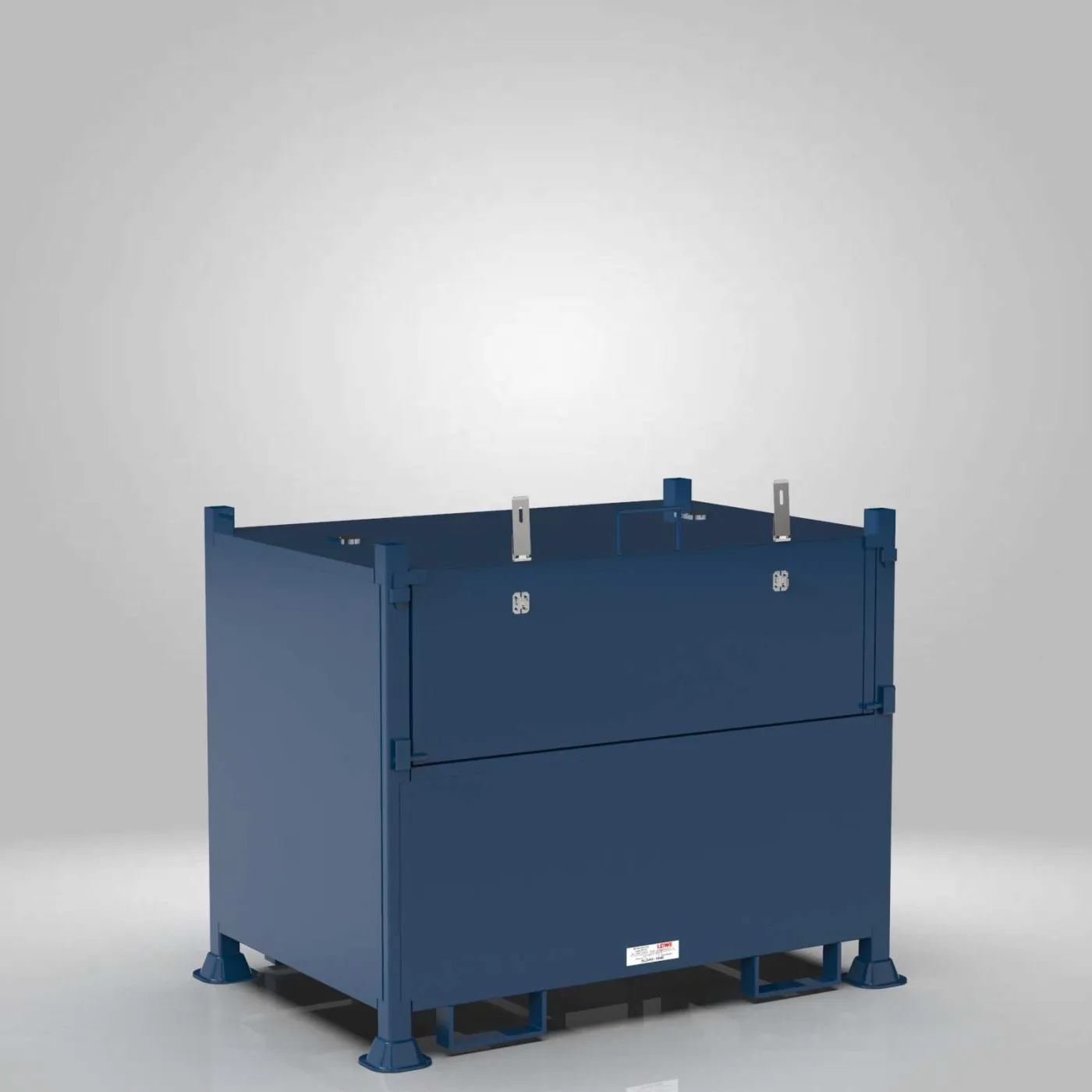
From mesh and sheeted stillages to post pallets, A-frames and bespoke cages — every product in our range is UK-engineered, load-tested and built to your exact specification.
Every Lowe stillage is designed, engineered and welded under one roof in Uttoxeter, Staffordshire — so you deal with the makers, not a reseller.
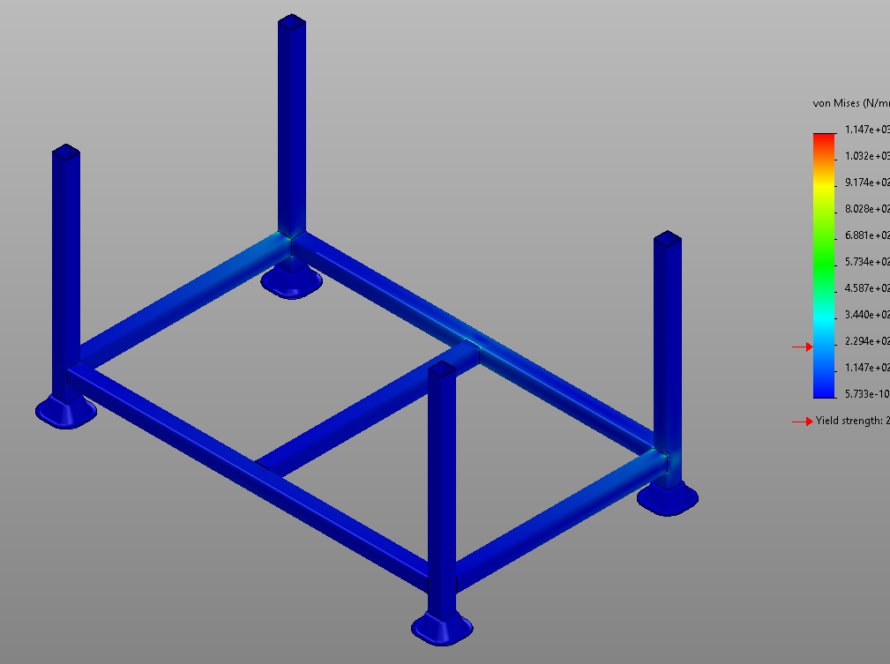
Our own CAD engineers model every unit before a single cut — nothing is outsourced.
You buy straight from the factory floor — not through a distributor's margin.
One team owns your order from raw steel to delivery, with certs available on request.
Made to your dimensions and load ratings — never an off-the-shelf compromise.
One team, one roof — from raw steel to your loading bay. No outsourcing, no guesswork.
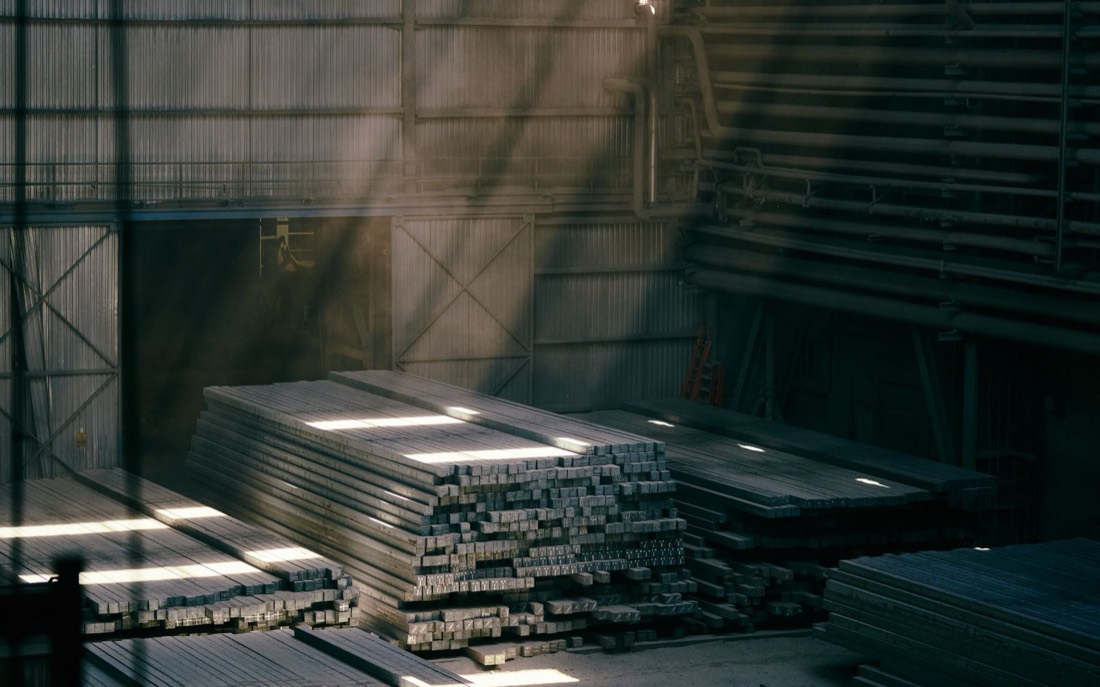
Certified steel arrives and is logged for full material traceability.
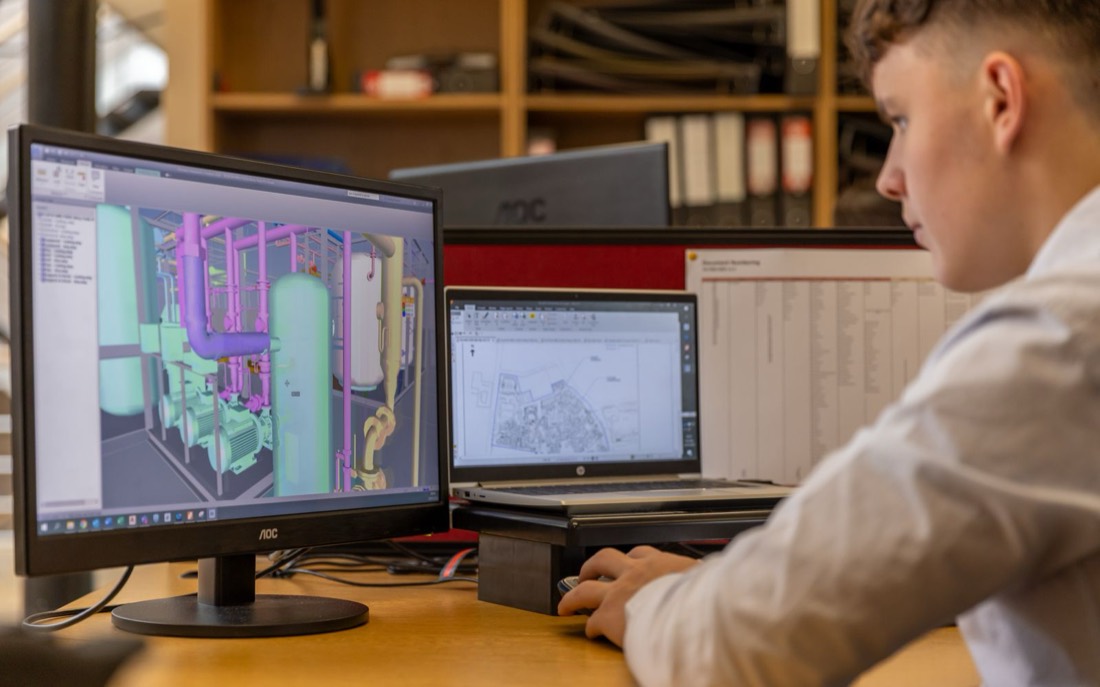
Our in-house engineers model every unit in CAD before a single cut.
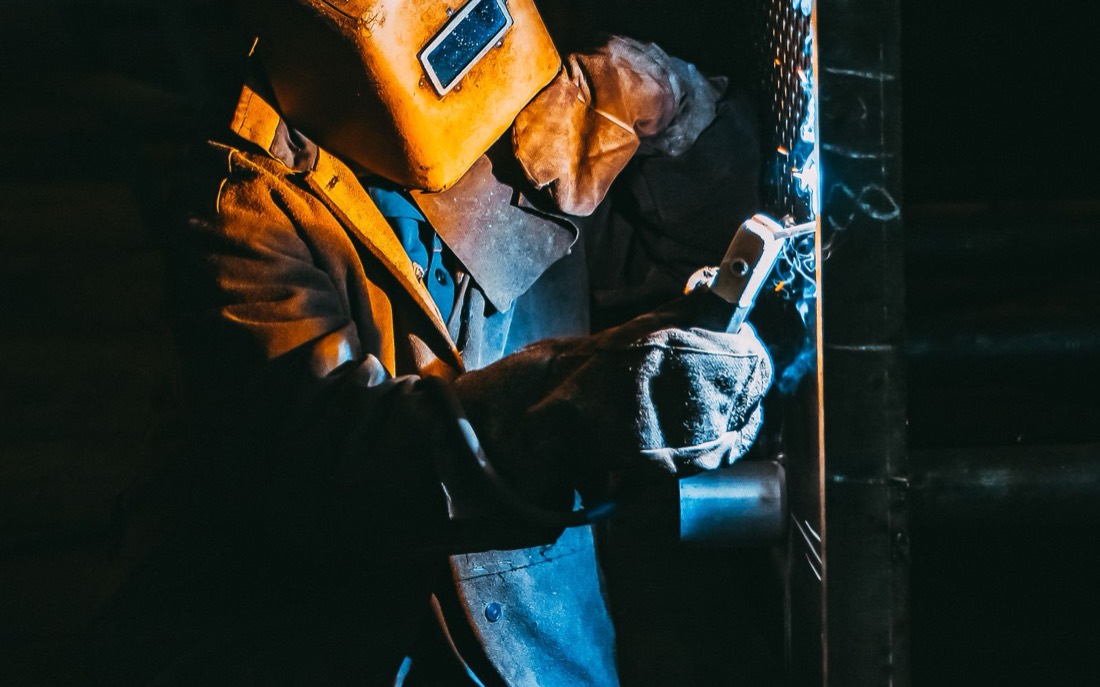
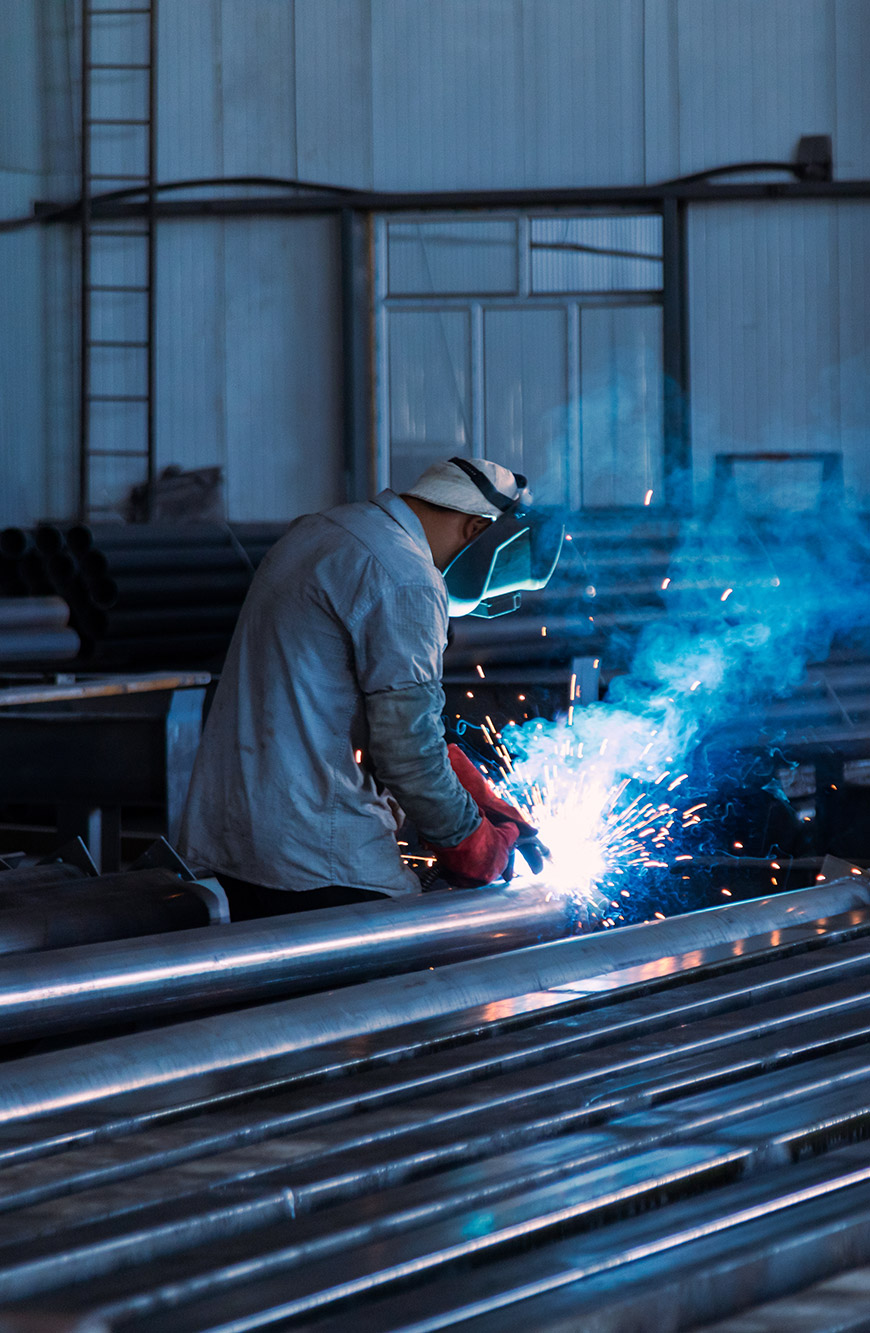
Precision-cut, then welded under one roof by our own fabricators.
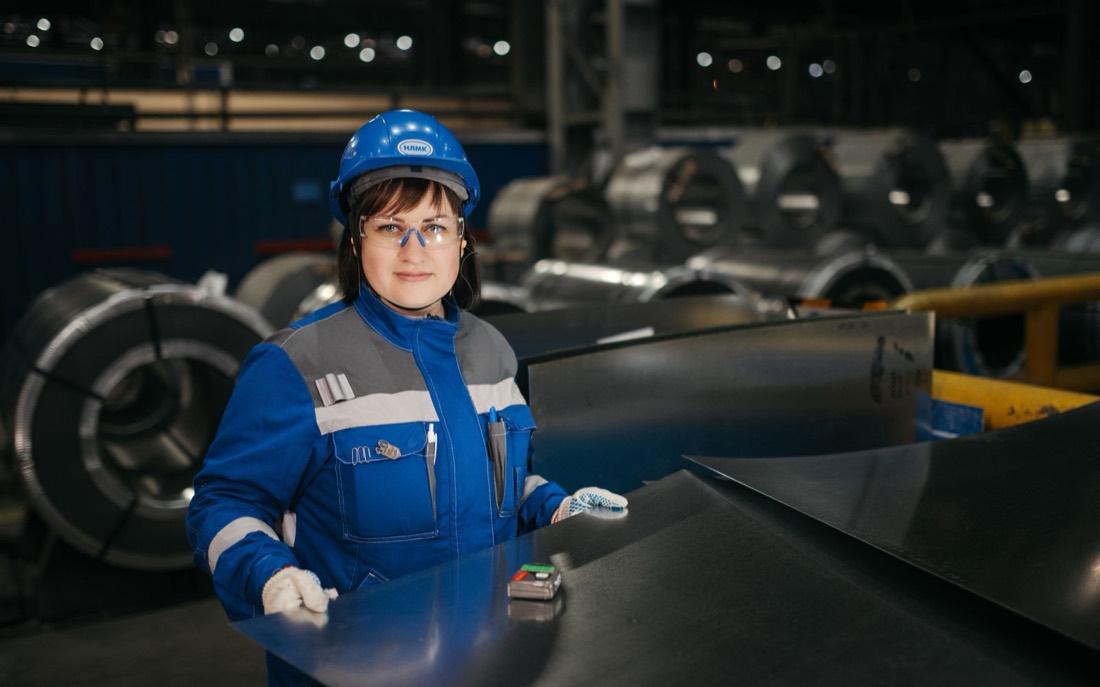
Every build is inspected and load-tested to its rated duty.
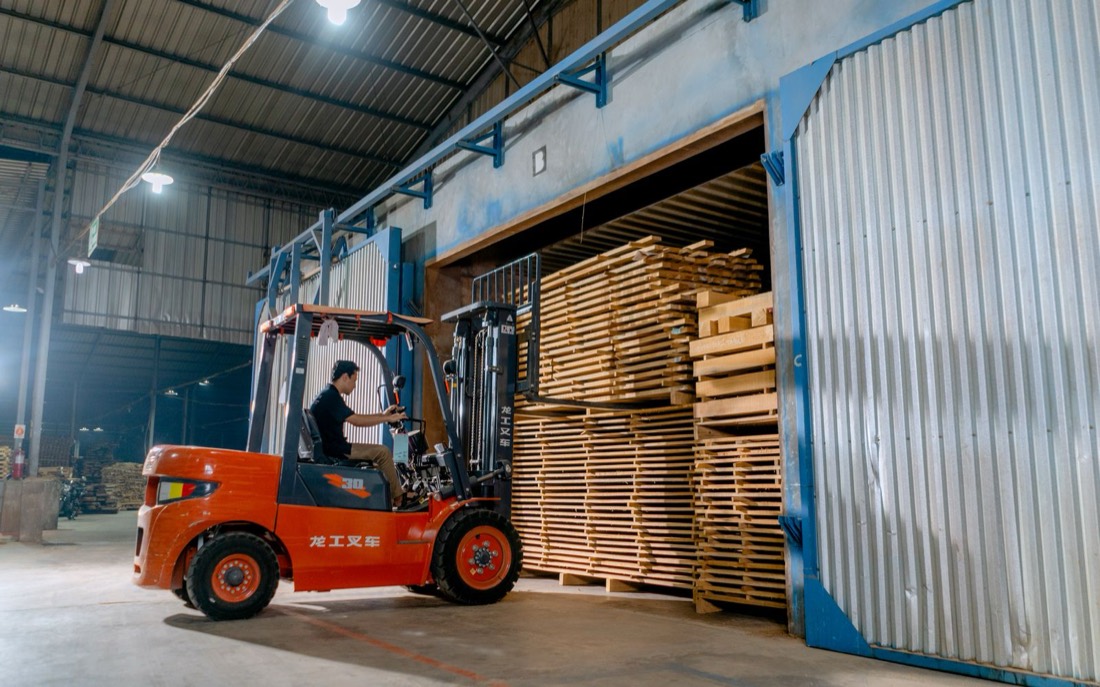
Finished to spec and dispatched UK-wide from Uttoxeter, Staffordshire.
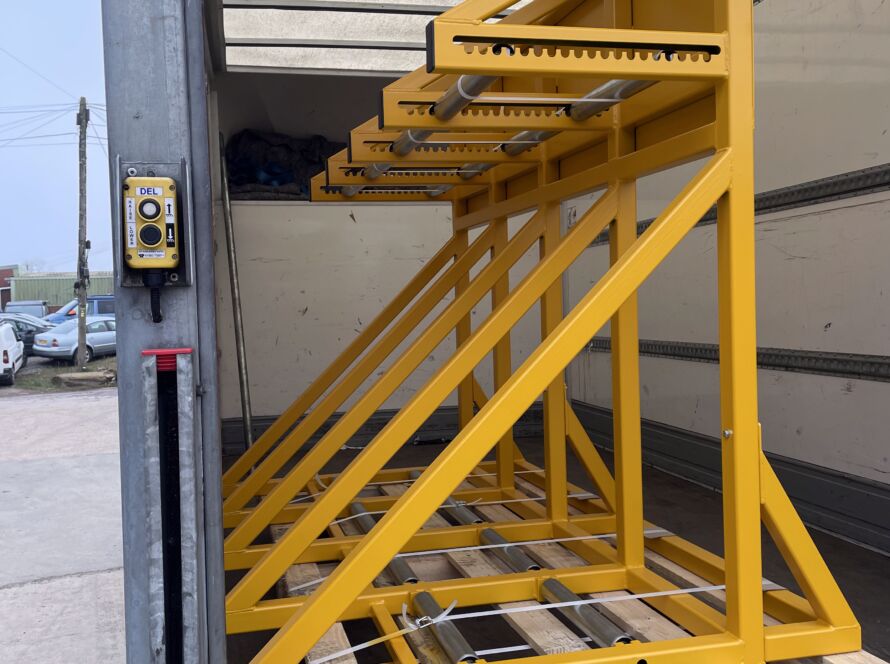
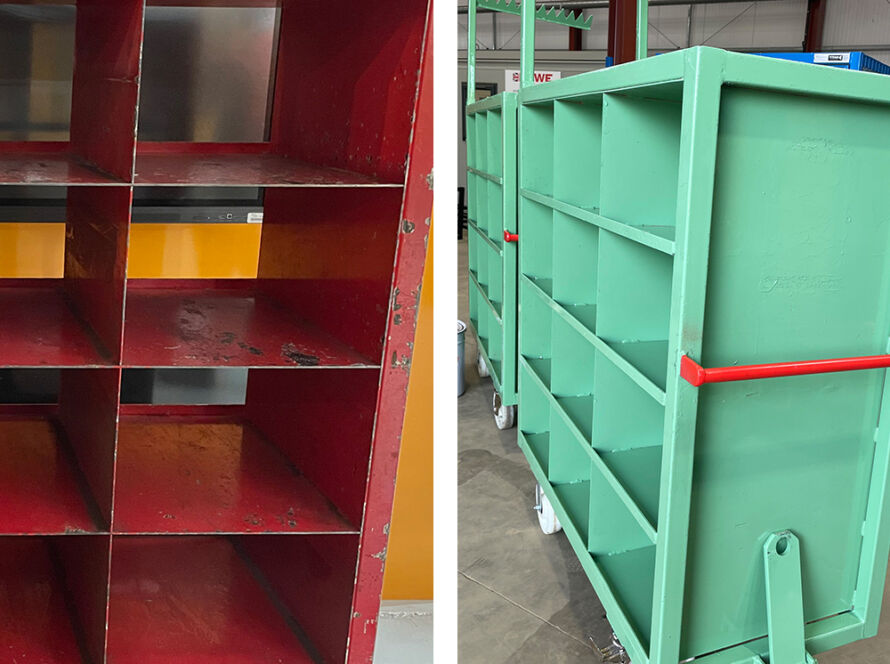
With over 25 years of experience, Lowe Stillages & Cages is a premier UK manufacturer of high-quality steel stillages, cages and material handling solutions — engineered, load-tested and tailored to how your operation actually works.
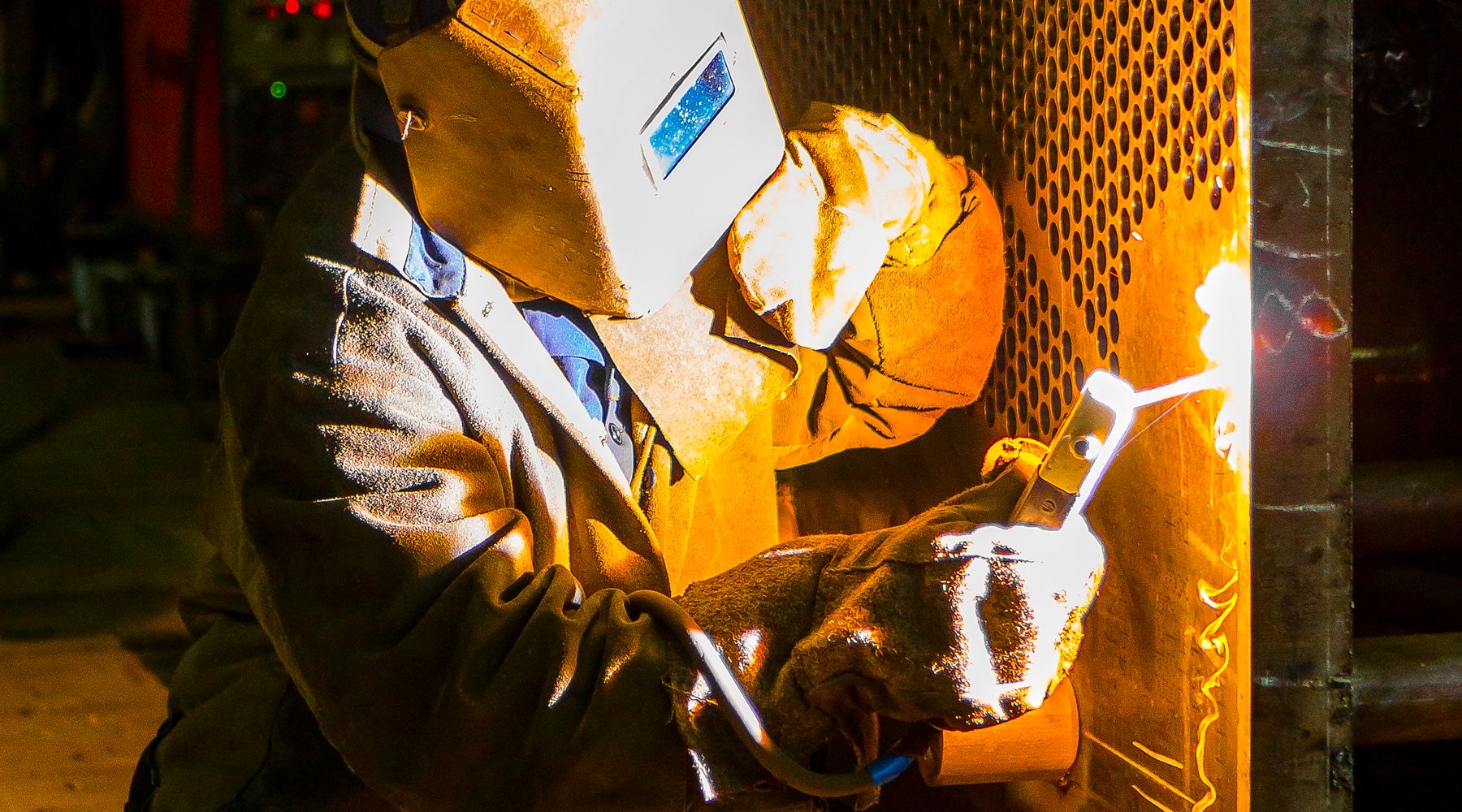
Every Lowe stillage is cut, welded and checked by the same in-house team in Uttoxeter — 25 years of hands that know steel.
Meet the makersAsk ten warehouse managers whether their stillages fall under LOLER and you will get ten different answers. Some assume every steel container in the building needs a six-monthly inspection certificate;…
If you own, hire out or simply use stillages, cages, post pallets or trolleys anywhere in Great Britain, one set of rules sits underneath everything you do with them: the…
Stillages do a great deal of quiet, heavy lifting in British industry. They hold engine blocks, sheet metal, gas cylinders, textiles and finished goods; they get stacked three high, craned…
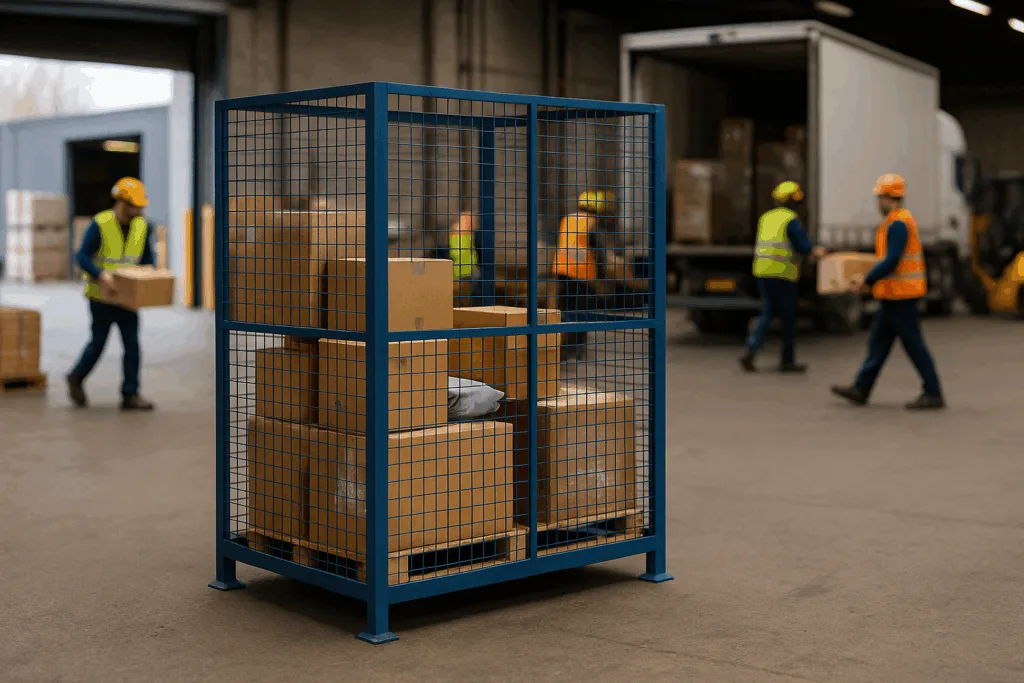
Every project has unique requirements. We collaborate with you from initial concept through to delivery, so each solution is:
We design and manufacture robust, compliant storage solutions that meet stringent nuclear safety standards, ensuring secure handling and transport of sensitive materials.
Our solutions support cleanroom environments and GMP compliance, facilitating safe storage and transport of pharmaceutical products and equipment.
We provide precision-engineered storage systems that protect high-value components, ensuring compliance with defence industry regulations and standards.
We offer storage systems that comply with food safety standards, ensuring hygienic handling and storage throughout the supply chain.
Our durable storage solutions are built to withstand harsh environments, supporting safe and efficient operations in the oil and gas sector.
We provide tailored storage solutions that enhance maintenance efficiency and comply with transport industry regulations.
Our engineered storage systems support the safe handling of heavy and sensitive equipment, ensuring compliance with utility industry standards.
We deliver robust storage solutions that improve site safety and logistics, aligning with construction industry regulations.
Our versatile storage solutions enhance operational efficiency and comply with agricultural industry standards.
Don’t see your sector? We build for it too — tell us what you need →
01
We design end to end — starting from your requirements, then building detailed 3D CAD models we refine with you. Every design is optimised for space, safety and efficiency before a single cut.
02
Our Staffordshire facility turns raw steel into durable, custom-built products. Skilled engineers fabricate every unit, with rigorous quality control at each stage so every stillage and cage meets stringent standards.
03
We build lasting relationships, not one-off orders. Beyond delivery, we support future changes and challenges — staying a trusted partner in your operation, ready to help whenever needed.


The things procurement and engineering teams ask us most. Can't see yours? Call 01889 563 244.
Typical lead time is 3-4 weeks from confirmed specification. We manufacture in-house in Uttoxeter, so we control the schedule end to end — and can discuss priority timelines for urgent projects.
Yes — bespoke is our default, not an exception. Our own CAD engineers design to your exact dimensions and load ratings, and we can quote a fully custom solution within 24 hours of receiving your requirements.
Everything is engineered and independently load-tested under an ISO 9001 quality management system. UKCA certification is not applied to standard products as a matter of course — it is provided where a build calls for it, and as standard on our certified lifting range. Material certificates and test documentation are available on request for regulated supply chains.
Yes. We deliver UK-wide from our Staffordshire facility, and can arrange scheduled or phased deliveries to support national rollouts and multi-site programmes.
No fixed minimum — we supply everything from single bespoke units through to high-volume production runs, with pricing that scales for larger quantities.
Absolutely. Use the online configurator for an instant indicative price, then request a formal, no-obligation quote — our engineers confirm the detail and return it within 24 hours.
We fabricate from certified structural steel and finish to your spec — standard paint, special RAL colours, or hot-dip galvanising for outdoor and washdown environments.
Yes. Send dimensions, photos or a sample and our engineers will reverse-engineer a like-for-like — or improved — unit, fully documented and certified.
Still have a question? Talk to an engineer →
Send us your sizes, load and volumes and our engineers will quote it — standard or fully bespoke, designed and manufactured in-house in Uttoxeter.