Compliance & Traceability by DesignProgramme-Scale Supply & RolloutsUK Engineering That Improves ThroughputLifecycle Support & Matched Spares

Industries Served

Aerospace

Aerospace handles high-value, precision components where damage in storage or transit is costly. Lowe engineers stillages, A-frames and certified lifting frames that cradle parts securely, protect finished surfaces and keep tooling controlled through the supply chain.

Every unit is UK-manufactured, UKCA-certified and load-tested to your specification, with certified lifting points where components are craned.

How Lowe helps

  • A-frame and profiled stillages that cradle panels and precision parts
  • Certified lifting frames for safe handling of high-value components
  • Secure, traceable containment for controlled storage and transit
  • Bespoke frames engineered around part geometry and tooling

Made to order

Discuss your aerospace application

Tell us what you handle and how it moves — we'll scope a load-tested, UK-manufactured solution and quote it, usually the same working day.

Prefer to talk? 01889 563 244

Your details

Protected by reCAPTCHA · Privacy · Terms

Protecting parts worth more than the frame.

The economics are unusual in aerospace: almost all the value sits in the component, so a stillage that saves money on the frame and then lets a part contact bare steel has cost far more than it saved. The design follows from that — cradles and profiled supports rather than flat decks, contact faces chosen for the part surface, and restraint that holds geometry through transport rather than simply resting the part in place.

Awkward geometry is the norm. Panels, skins, ducts and machined parts do not stack, and stacking is exactly what a generic container invites. A-frames and profiled frames hold items on edge or in a defined nest, which keeps parts separated, gives clear access for loading and unloading, and removes the temptation to lay one part on another.

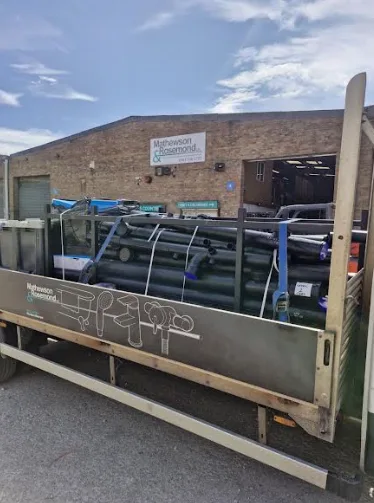
Where a unit is a transport frame between sites rather than a static store, road inputs become part of the specification. Support and restraint have to work in a moving trailer as well as on a shop floor, and the safe way to load it has to be the obvious way.

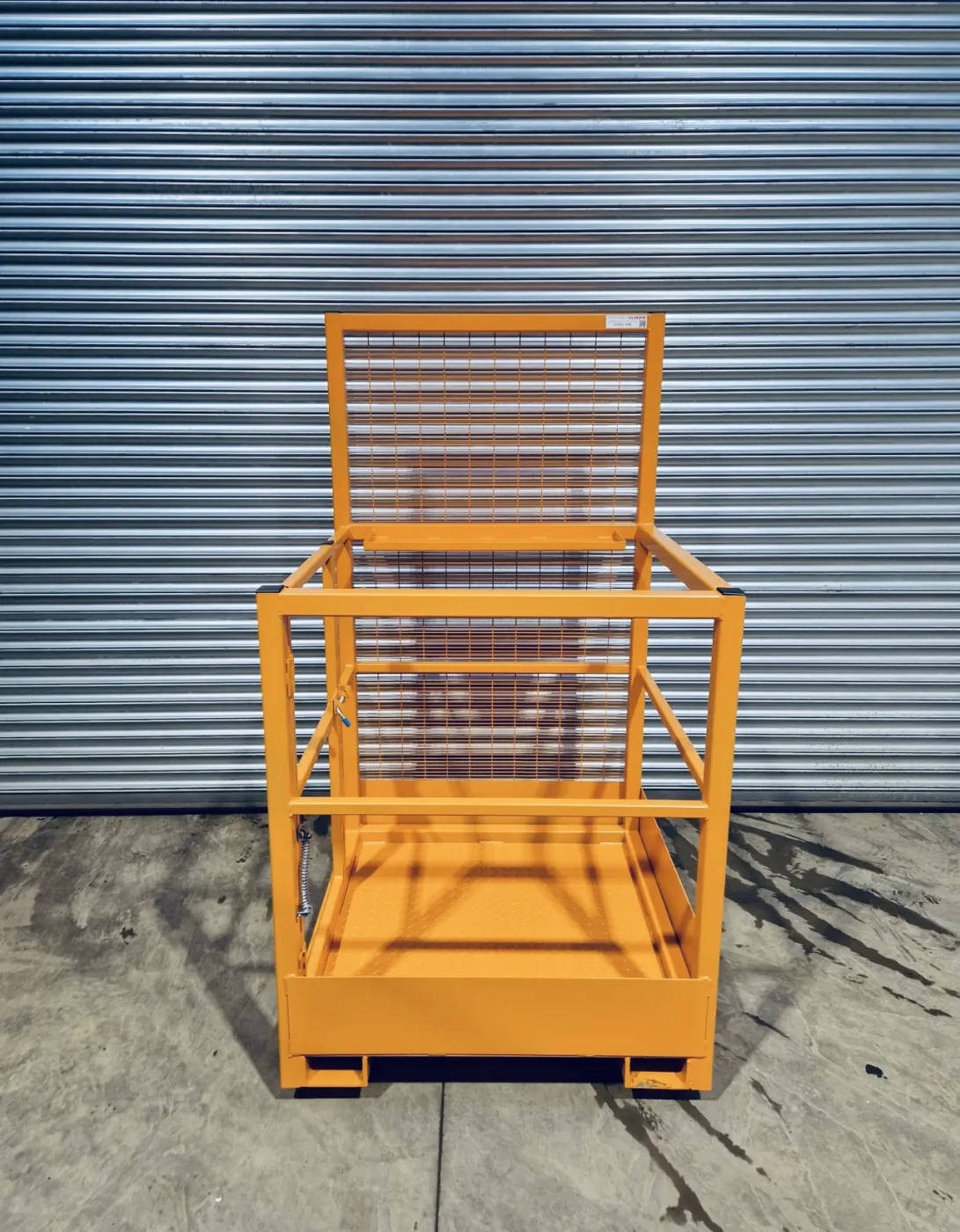
Forklift safety access cage, side view
Access cage — side elevation

Surface protection and part location.

Keeping steel off the part is a design job, not a packing job. Cast polyurethane dunnage is moulded to the component so each part sits in a defined position, absorbs shock and vibration in transit, and never bears against the frame. Inserts are developed in-house from the part geometry, so they suit the actual component rather than approximating it.

Defined positions also make loading self-checking. When every part has one place to go, a wrongly loaded frame is visible at a glance and a short count confirms a set is complete before it moves. That is worth more on a busy shop floor than a written procedure covering the same ground.

Because inserts are built for repeated industrial use rather than single-trip packaging, the protection travels with the returnable fleet instead of being consumed and replaced each cycle.

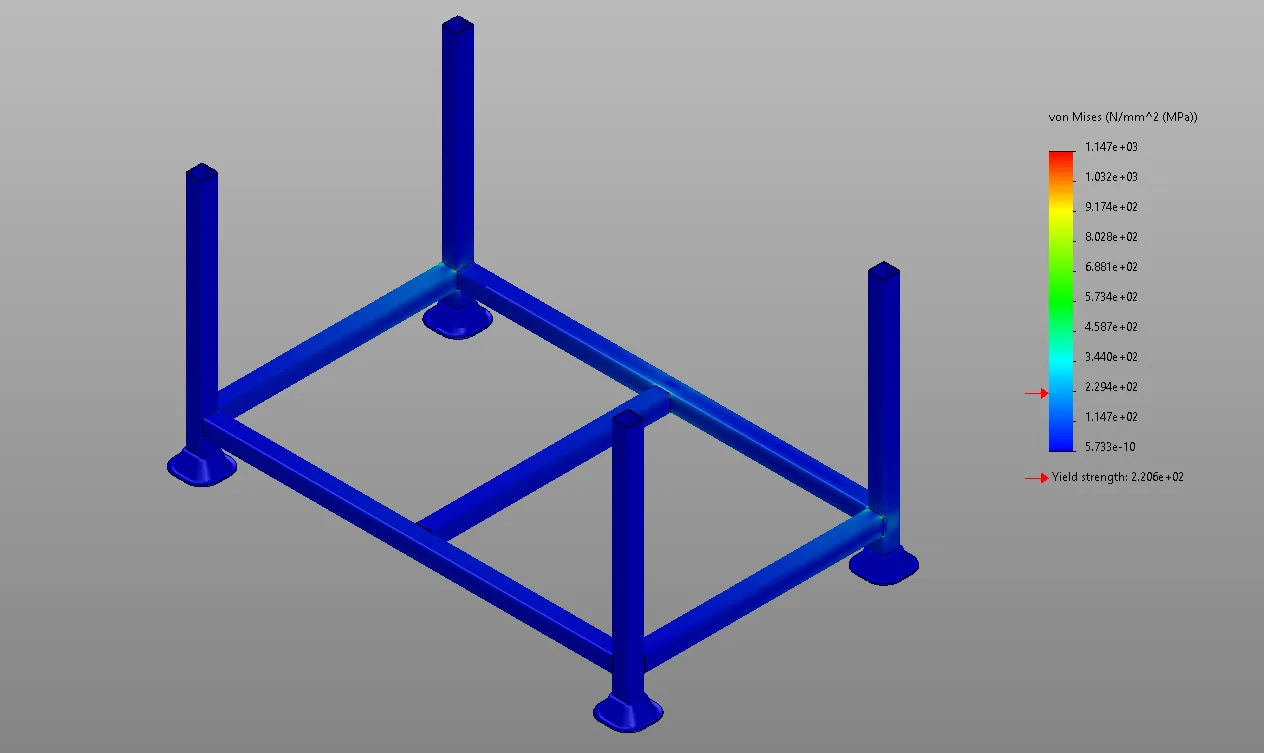
Finite element stress analysis of a stillage frame
Stress analysis before a unit is built

Repeatability, identification and documentation.

Aerospace supply chains run on controlled processes, and handling equipment sits inside them. In practice that means units built to a retained drawing rather than to a description, identification and load information marked on the unit, and documented load assumptions so that anyone specifying a replacement — or reviewing the process — can see what the equipment was designed to do.

It also means later batches matching earlier ones. A returnable fleet only works if every unit interfaces the same way with the same racking, trailer plan and handling equipment. A batch built loosely to roughly the same size undoes the standardisation the fleet exists to provide.

Manufacture is in Uttoxeter, Staffordshire, with UKCA marking where applicable. Where units are lifted overhead, that is a specific product: certified lifting stillages are designed and tested for lifting and supplied with documentation, and in service they are lifting accessories, so they sit within your LOLER thorough examination regime. Standard stillages and A-frames are for forklift handling and should not be craned.

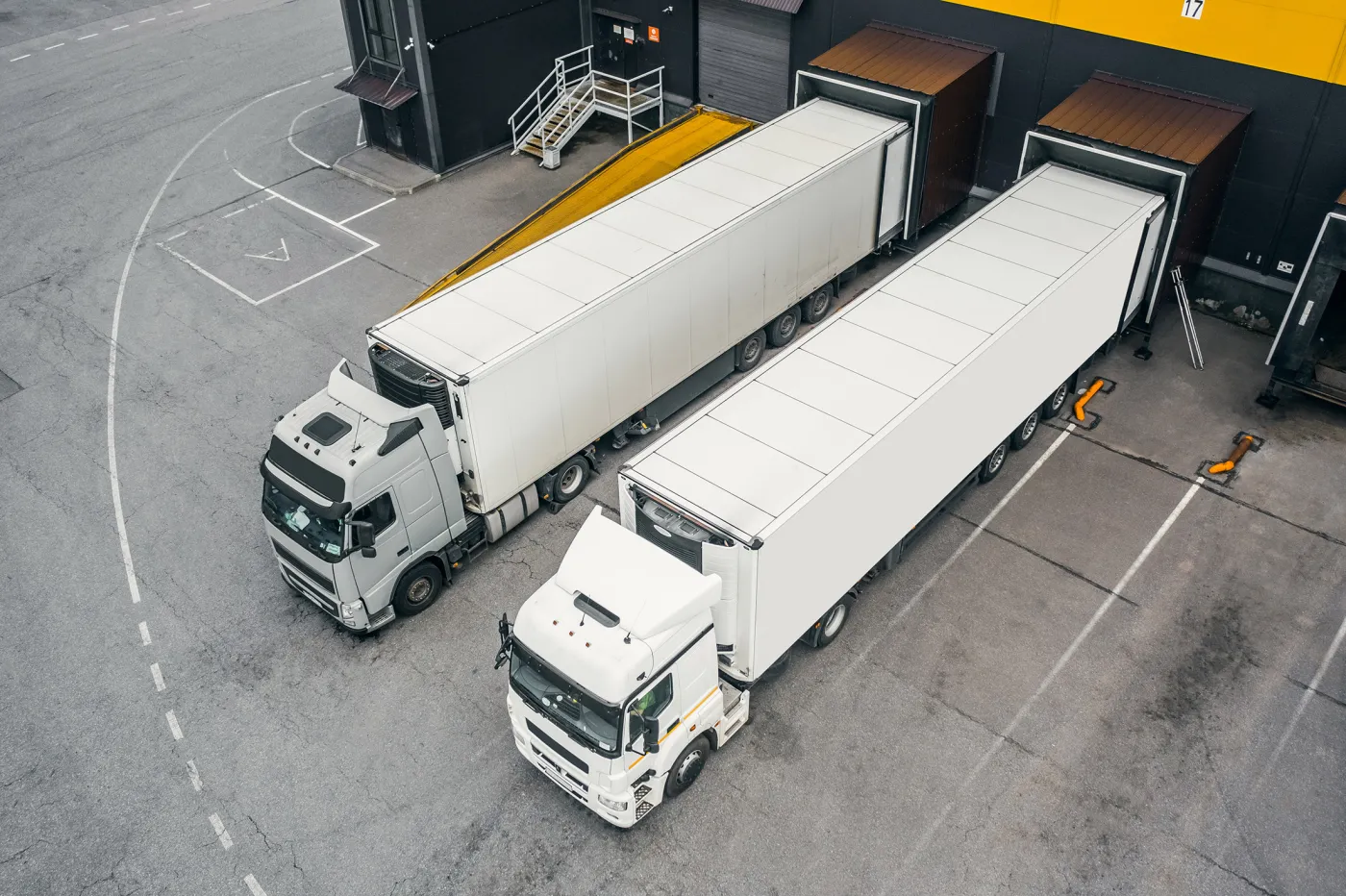
Lorries loading at warehouse bays
Built for the returnable loop

Recommended ranges

Built for aerospace

Browse the full range →

Our capability

Built to your drawing, not a catalogue

Send a drawing, a sample or a photograph of the part. Our engineers size the unit around what it carries and how it is handled, then build it in Staffordshire to a specification you sign off before a single length of steel is cut.

Load-tested · UK-manufactured · certified where required

Talk to an engineer →

Why Lowe

Bespoke to your process

Designed and manufactured around your components, handling equipment and floor layout — made to order or fully bespoke.

Load-rated & stackable

Engineered and load-tested for safe stacking, forklift handling and demanding industrial duty cycles.

Certifiable quality

UK-manufactured to recognised standards, with certification available on custom builds and repeatable weld and build quality.

Fast UK lead times

Manufactured in Uttoxeter, Staffordshire — short lead times and a direct line to the people building your kit.

Questions

Aerospace — frequently asked

How do you stop stillages marking finished surfaces?

By keeping steel off the part. Contact points are profiled and lined — cast polyurethane dunnage, moulded cradles or other non-marking supports chosen for the surface in question — and parts are located positively so they cannot move against the frame in transit. Send the part geometry and the surface finish requirement, and the support design follows from those.

Can you build to a controlled drawing and repeat it exactly?

Yes. Drawings are retained, so a second or fifth batch is built to the same specification as the first. For a returnable fleet that is the whole point: every unit has to interface the same way with the same racking, trailers and handling equipment, and a batch built approximately to size undermines the standardisation.

Do you hold aerospace-specific quality approvals?

Ask us directly rather than assuming, and we will tell you exactly what we hold and what we do not — that conversation is far better had at enquiry stage than during a supplier audit. What we can commit to is UK manufacture, units built to a retained drawing, identification and marking on the unit, and documented load assumptions.

Are these frames suitable for overhead lifting?

Only the ranges designed for it. Certified lifting stillages are designed and tested for lifting and supplied with the relevant documentation; once in service they are lifting accessories, so they fall within your LOLER thorough examination regime. Standard stillages and A-frames are built for forklift handling and should not be craned.

Can one frame handle a family of similar parts?

Often, using adjustable or interchangeable supports on a common base frame. Over the life of a fleet that usually beats a separate design per part number, and it cuts the number of frame types to store, track and repair. Where parts differ too much to share a nest, the base frame and handling interface can still be standardised even when the supports are not.

Other industries